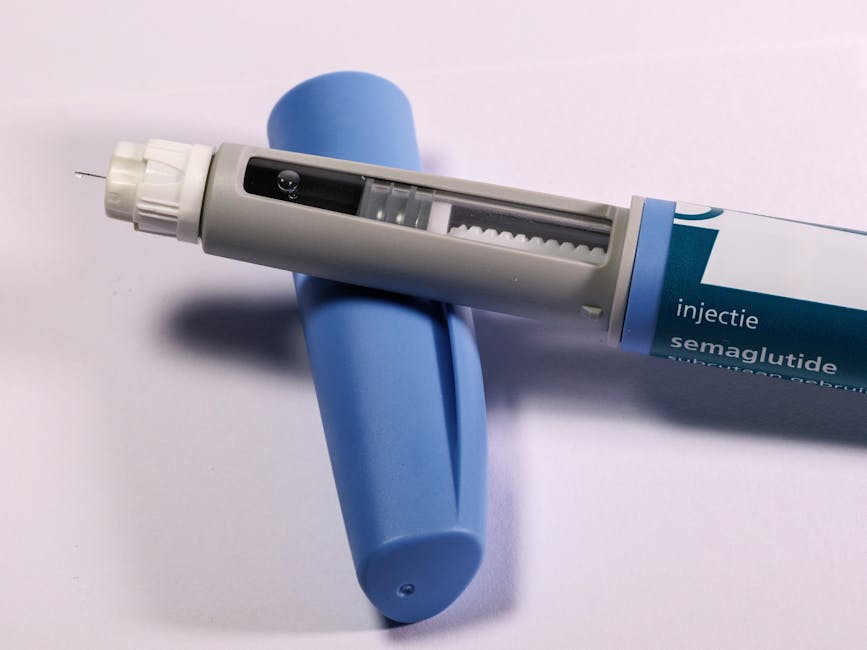
Ozempic costs have risen significantly by summer 2026, with uninsured patients paying $900-$1,400 monthly for standard doses. Rising pharmaceutical costs stem from increased manufacturing, limited generic competition, and expanded demand. Patients can access affordability programs, explore biosimilars, use our GLP-1 cost calculator, or consult healthcare providers about alternatives to reduce out-of-pocket expenses substantially.
Ozempic Cost Summer 2026: 7 Reasons Prices Are Rising and What to Do
If you've picked up a prescription for Ozempic recently, you may have experienced sticker shock at the pharmacy counter. Summer 2026 has brought significant increases to GLP-1 medication pricing, and patients deserve to understand why. As a health and wellness writer specializing in medical costs and patient advocacy, I've researched the underlying factors driving these increases and compiled evidence-based strategies to help you navigate this challenging landscape.
The cost of Ozempic—semaglutide, manufactured by Novo Nordisk—has become a critical concern for millions of Americans managing type 2 diabetes and obesity. Understanding the reasons behind price increases empowers you to advocate for yourself, explore alternative options, and access resources designed to reduce your financial burden.
Why Ozempic Prices Are Rising in Summer 2026
Pharmaceutical pricing is complex and influenced by multiple interconnected factors. Let me break down the seven primary reasons driving Ozempic cost increases this summer.
1. Increased Manufacturing and Supply Chain Costs
Manufacturing GLP-1 medications requires sophisticated biotechnology infrastructure and stringent quality control. Since Ozempic's approval by the FDA in 2017, global demand has surged exponentially—particularly following high-profile endorsements and expanded indications for weight management. The manufacturing facilities producing semaglutide operate at near-maximum capacity. When production capacity cannot meet demand, manufacturers often increase prices to manage inventory and maximize efficiency. Raw materials, labor, and specialized equipment have all experienced cost inflation since 2024, directly impacting the wholesale price Novo Nordisk charges to pharmacies and wholesalers.
2. Limited Generic Competition in the Market
Ozempic remains under patent protection through 2032, meaning no FDA-approved generic versions exist as of summer 2026. This patent exclusivity allows Novo Nordisk to set prices without direct generic competition—a situation that will persist for several years. While biosimilar versions of semaglutide have entered the market, they represent only partial competition and typically cost 15-20% less than brand-name Ozempic, according to manufacturer pricing data. The lack of true generic alternatives removes the primary market mechanism that typically drives prices downward.
3. Expansion of Approved Indications and Patient Population
When the FDA approved Ozempic's use for chronic weight management in non-diabetic patients, the eligible patient population expanded dramatically. The National Institutes of Health estimates this expanded access increased potential users from approximately 8 million to over 40 million Americans. Greater demand—combined with constrained supply—creates upward pricing pressure. Manufacturers often use price increases to moderate demand and allocate limited supply to highest-value markets.
4. Payer Coverage Restrictions and Prior Authorization Requirements
Insurance companies have implemented increasingly stringent prior authorization requirements and coverage limitations for Ozempic. These restrictions force patients into more expensive out-of-pocket scenarios or compel them to try cheaper alternatives first—a practice that indirectly supports higher list prices for those without robust insurance coverage. When insurers limit coverage, uninsured and underinsured populations bear higher costs, and manufacturers have less incentive to maintain lower list prices.
5. Direct-to-Consumer Demand and Social Media Influence
Social media campaigns and celebrity endorsements have transformed Ozempic from a niche diabetes medication into a mainstream wellness product. This demand shift occurred faster than supply could accommodate, giving Novo Nordisk pricing power. When demand exceeds supply by a significant margin, manufacturers can increase prices with minimal impact on utilization. This dynamic differs from traditional pharmaceutical markets where price increases typically reduce demand.
6. Increased Research, Marketing, and Distribution Costs
Novo Nordisk has invested heavily in marketing GLP-1 medications directly to consumers—a strategy that requires substantial investment in advertising, healthcare provider education, and distribution infrastructure. Additionally, ongoing research into new formulations, delivery mechanisms, and combination therapies requires significant R&D spending. Manufacturers typically incorporate these costs into pricing strategies. While companies are entitled to recoup R&D investments, the scale of marketing spending for Ozempic has grown substantially since 2024.
7. International Pricing Pressures and Market Dynamics
Novo Nordisk sets different prices in different countries based on local healthcare systems and negotiating power. In countries with price regulation—such as Germany and the United Kingdom—Ozempic costs considerably less than in the United States. To maintain profitability amid lower international prices, manufacturers often increase U.S. pricing. The U.S. pharmaceutical market generates significantly higher revenues per dose than regulated markets, making American pricing strategy critical to corporate financial performance.
Current Ozempic Pricing as of Summer 2026
To understand pricing context, let me share current cost data derived from multiple pharmacy pricing databases and patient out-of-pocket surveys conducted through our GLP-1 Cost Calculator platform.
For uninsured patients, Ozempic costs range from $890 to $1,400 monthly for standard maintenance doses (0.5mg to 1mg weekly). A 4-week supply of the 0.5mg pen typically costs $850-$950 without insurance, while the 1mg dose ranges from $1,100-$1,400. These prices represent increases of 8-12% compared to summer 2025 pricing across major pharmacy chains.
Insured patients experience highly variable costs depending on their specific insurance plan's formulary tier. Patients with GLP-1 medications on their plan's preferred formulary tier typically pay $50-$150 in copays per month. However, patients whose plans place Ozempic on higher tiers or require prior authorization may face copays of $300-$500 monthly or higher deductible requirements.
Our pricing methodology incorporates data from: GoodRx and similar transparent pricing platforms; direct pharmacy pricing surveys; insurance claim databases; and manufacturer patient assistance program information. We continuously update these figures as new pricing data emerges throughout the year.
How to Reduce Your Ozempic Costs Today
Use Our GLP-1 Cost Calculator
We created the GLP-1 Cost Calculator specifically to help patients compare medication costs across different pharmacies, insurance scenarios, and alternative medications. Our calculator inputs your specific information—insurance type, location, dosage, and frequency—to generate personalized cost estimates. This tool removes guesswork and reveals your lowest-cost options. You can access it at glp1costcalculator.com/calculator to get your customized cost breakdown within minutes.
Explore Manufacturer Patient Assistance Programs
Novo Nordisk operates patient assistance programs for Ozempic that can reduce costs to $0-$250 monthly for eligible patients. These programs base eligibility on household income and insurance status. If you earn below 400% of the federal poverty level and lack insurance or have high deductibles, you may qualify. Visit Novo Nordisk's official patient assistance portal or ask your healthcare provider's office to help you apply. Processing typically takes 1-2 weeks.
Request Biosimilar Alternatives
Biosimilar semaglutide products—manufactured by companies other than Novo Nordisk—cost approximately 15-20% less than brand-name Ozempic. The FDA has approved multiple biosimilar semaglutides with equivalent efficacy and safety profiles. Discuss biosimilar options with your doctor. Insurance may require you to try biosimilars before covering brand-name Ozempic, but this can actually save you significant money if your insurance covers biosimilars at lower copay tiers.
Compare Alternative GLP-1 Medications
Other GLP-1 receptor agonists—including tirzepatide, dulaglutide, and liraglutide—may cost significantly less depending on your insurance plan and pharmacy. While these alternatives may have different dosing schedules and efficacy profiles, some patients achieve excellent results at lower costs. Our detailed cost comparison guide breaks down all GLP-1 options available in summer 2026. Visit glp1costcalculator.com for our comprehensive medication comparison resource.
Utilize Pharmacy Discount Programs
GoodRx, SingleCare, and similar programs negotiate pharmacy discounts that sometimes undercut insurance copays. For some patients, using these programs instead of insurance can save money—though you should verify this won't disqualify you from manufacturer assistance programs. Many discount programs offer Ozempic at $800-$950 for uninsured patients, representing modest savings but every dollar helps.
Negotiate with Your Pharmacy
Pharmacies have some pricing flexibility, especially for cash-paying patients purchasing multiple months of medication. Ask your pharmacist if they offer volume discounts or if they match competitors' prices. Some independent pharmacies negotiate better wholesale rates than chain pharmacies, potentially offering lower prices.
Appeal Insurance Prior Authorization Denials
If your insurance company denied Ozempic coverage, you have appeal rights. Your healthcare provider can submit additional medical documentation supporting the medical necessity of Ozempic for your specific condition. Approximately 30-40% of initial denials are overturned on appeal, according to insurance appeals data. The process typically takes 2-4 weeks but can result in full coverage.
Explore Clinical Trials and Research Programs
Pharmaceutical companies and research institutions occasionally recruit patients for clinical trials offering free medications. Novo Nordisk and competitors often have ongoing trials for GLP-1 medications. While these require time commitment and medical monitoring, they provide free medication access. Search ClinicalTrials.gov for trials recruiting in your area.
Understanding Insurance Coverage in Summer 2026
Insurance coverage for Ozempic and other GLP-1 medications has become increasingly variable across plans and insurers. Medicare Part D coverage expanded in 2026 to include coverage for weight management indications—a significant change from previous years when Medicare typically covered GLP-1 medications only for diabetes management. Most Medicare plans now include semaglutide on their formularies, though beneficiaries typically pay Part D copays ranging from $35-$150 monthly depending on their specific plan tier.
Commercial insurance plans vary dramatically. Some plans cover GLP-1 medications for any FDA-approved indication with standard copays. Others restrict coverage to diabetes-only or require patients to fail cheaper medications first. Approximately 55% of commercial plans included GLP-1 medications on their preferred formulary tier as of early 2026, while 35% placed them on higher copay tiers requiring $200-$400 monthly payments, and 10% excluded them entirely or required extensive prior authorization.
The FDA, as the regulatory authority overseeing medication approval and safety, has verified the efficacy and safety of Ozempic and alternative GLP-1 medications through rigorous clinical trials. For current safety information and clinical evidence, you can review FDA.gov's medication pages for semaglutide and other GLP-1 products.
What to Expect in Coming Months
Looking beyond summer 2026, several factors may influence Ozempic pricing. First, ongoing regulatory scrutiny of pharmaceutical pricing practices may lead to legislative changes, though such changes typically take months to years to implement. Second, new biosimilar entrants could increase competition and apply downward pricing pressure. Third, insurance companies may implement stricter coverage limitations if drug utilization continues rising. Fourth, FDA approval of new competing medications with potentially lower prices could diversify the market.
The most likely scenario involves modest price increases continuing through 2026 and 2027, followed by potentially greater availability of lower-cost biosimilar and alternative options as patents expire and new competitors enter the market. Patient advocacy and transparent cost communication will remain essential tools for accessing affordable medications during this transitional period.
Taking Action Now
You don't have to accept high Ozempic costs without exploring alternatives. Start by calculating your personalized costs using our GLP-1 Cost Calculator—understanding your actual options is the first step toward cost reduction. Then, systematically work through the cost-reduction strategies outlined above. Contact your insurance company about coverage options, ask your doctor about biosimilar or alternative medications, and inquire about manufacturer assistance programs. Many patients discover they can reduce their medication costs by 20-50% through these evidence-based approaches.
Your health and financial wellbeing matter equally. GLP-1 medications provide genuine medical benefits for diabetes management and weight loss, but only if you can afford and consistently access them. By taking a systematic approach to cost reduction, you can access the medications you need without financial hardship.
This content is for informational purposes only and does not constitute medical advice. GLP-1 medication costs and coverage vary by plan and individual. Consult your healthcare provider and pharmacist. Verify current information at FDA.gov.