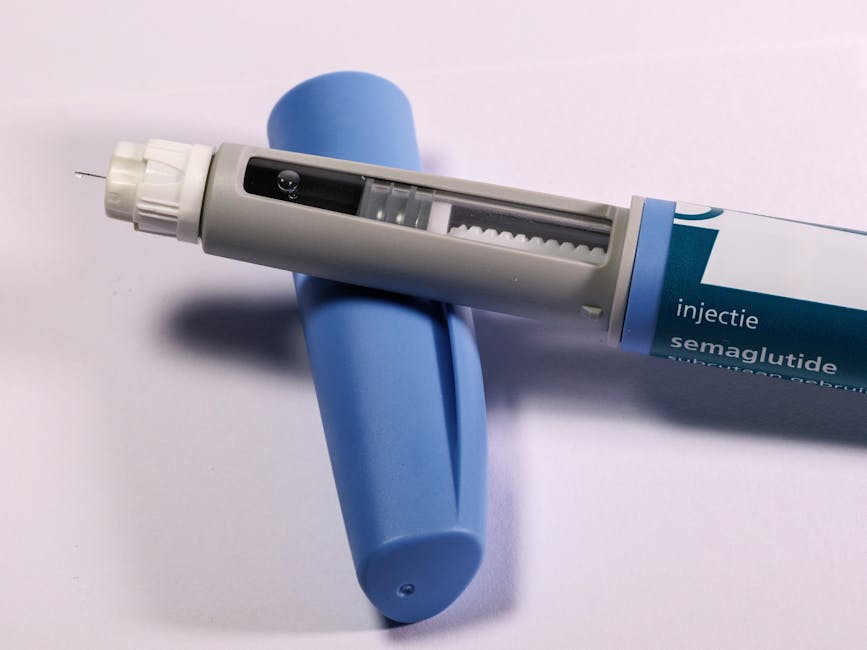
Medicare's $50 GLP-1 Price Cap on July 1: What Patients Need to Know About the New Affordability Rules
Starting July 1, Medicare is implementing a $50 monthly price cap on GLP-1 medications for eligible beneficiaries, fundamentally changing how millions of Americans access these drugs. For patients who have seen real results but faced mounting costs, this policy shift could be the difference between continuing treatment and stopping it altogether.
The Problem This Policy Is Solving: GLP-1 Costs Were Pushing Patients Out
If you've been following conversations around GLP-1 medications like semaglutide (Ozempic, Wegovy) or tirzepatide (Mounjaro, Zepbound), you already know that the results can be remarkable — significant weight loss, improved blood sugar control, and in some cases, reduced cardiovascular risk. But what good is an effective medication if patients can't afford to stay on it?
Stories like the one highlighted by People.com have become increasingly common: a patient experiences genuine success on a GLP-1, only to find the cost "becoming prohibitive" over time. Monthly out-of-pocket expenses for these drugs can run into the hundreds of dollars even with insurance, and for Medicare beneficiaries on fixed incomes, that financial pressure becomes unsustainable fast.
This isn't just a personal finance problem — it's a public health one. When patients discontinue effective treatments because of cost, the downstream consequences show up in emergency rooms, hospital readmissions, and worsening chronic conditions. The $50 cap is designed to interrupt that cycle.
Who Was Being Left Behind Before July 1?
Prior to this policy change, Medicare Part D coverage of GLP-1 drugs was inconsistent and often expensive at the point of sale. Many beneficiaries found themselves in the coverage gap — the so-called "donut hole" — where cost sharing increases significantly. For someone managing Type 2 diabetes or obesity alongside other chronic conditions, adding a $300–$500 monthly GLP-1 bill on top of other prescriptions was simply not realistic.
What the $50 Monthly Cap Actually Means in Practice
Under the new structure taking effect July 1, eligible Medicare beneficiaries will pay no more than $50 per month for covered GLP-1 medications. This applies through Medicare Part D plans and represents one of the most significant prescription drug affordability changes for this drug class in recent memory.
To put that in perspective: someone previously paying $400 per month out of pocket could see their annual GLP-1 costs drop from roughly $4,800 to $600. That's a difference that meaningfully changes whether treatment is viable for a large portion of the Medicare population.
You can use the GLP-1 cost calculator at glp1costcalculator.com to estimate how this cap might affect your specific situation compared to what you're currently paying.
Which Medications Are Covered?
The cap applies to GLP-1 receptor agonists that are covered under Medicare Part D for approved indications. This includes medications used for Type 2 diabetes management. Coverage for obesity-specific indications has historically been more restricted under Medicare, though that landscape has been evolving. Beneficiaries should verify with their specific Part D plan which formulations and brand names fall under the capped pricing, as plan formularies can vary.
How Does This Interact With the $2,000 Out-of-Pocket Cap?
It's worth noting that 2025 also brought another major Medicare Part D change: a $2,000 annual out-of-pocket cap on prescription drugs, a provision from the Inflation Reduction Act. The $50 GLP-1 monthly cap works alongside this broader protection. For patients who take multiple expensive medications, both caps together could substantially reduce total annual drug spending. The Centers for Medicare & Medicaid Services (CMS) has detailed information on these combined protections available at cms.gov.
Real-World Impact: Who Benefits Most From This Change?
The beneficiaries who stand to gain the most from the July 1 cap are those who meet a few key profiles. Understanding where you or a loved one fits can help set realistic expectations about savings.
Medicare Beneficiaries With Type 2 Diabetes
For this group, GLP-1s are often prescribed as a primary or adjunct diabetes management tool. Prior to the cap, cost was a leading reason patients either didn't start or discontinued these medications. With monthly costs dropping to $50, adherence is likely to improve — and better adherence generally means better health outcomes and fewer costly complications down the line.
Patients Who Had Paused Treatment Due to Cost
Perhaps the most emotionally resonant category is patients who were seeing results — real, measurable improvements — but had to stop because the financial math didn't work. July 1 gives those patients a potential on-ramp back to treatment. If you're in this situation, it's worth reaching out to your prescriber and Part D plan to understand exactly what your new cost-sharing would look like under the cap.
Lower-Income Medicare Beneficiaries
Patients who qualify for the Low Income Subsidy (LIS) program — sometimes called "Extra Help" — may already be paying reduced amounts for their medications. However, the $50 cap provides a clear, predictable ceiling that simplifies budgeting even for those who don't qualify for additional assistance programs.
What You Should Do Before and After July 1
The policy takes effect automatically, but there are practical steps that can help you take full advantage of the new pricing structure.
Verify Your Plan's Formulary
Not all Part D plans cover the same GLP-1 formulations, and formulary coverage can affect whether you hit the $50 cap or not. Contact your plan directly or log in to Medicare.gov to review your current plan's drug list. If your specific medication isn't covered, your prescriber may be able to work with you on a covered alternative or submit a coverage exception request.
Talk to Your Prescriber About Restarting or Continuing
If cost caused you to reduce your dose, take medication breaks, or stop entirely, the July 1 change is a good reason to schedule a conversation with your doctor. Restarting GLP-1 therapy after a gap isn't always as simple as picking up where you left off — dosing protocols may need adjustment, and your prescriber needs to know your current health status.
Calculate Your New Estimated Annual Cost
Use the GLP-1 cost estimator at glp1costcalculator.com to model your projected annual spending under the new cap versus what you paid previously. Having that number in hand helps with budgeting and can also inform conversations with your healthcare provider about treatment planning.
Broader Implications: What This Signals for GLP-1 Accessibility
The $50 cap isn't just a policy change — it's a signal about where Medicare's relationship with GLP-1 drugs is heading. As clinical evidence for these medications continues to expand beyond diabetes into cardiovascular disease, kidney disease, and other chronic conditions, pressure on Medicare to broaden coverage is likely to grow.
The FDA's approval of semaglutide for cardiovascular risk reduction in adults with obesity or overweight (the SELECT trial results were significant here) has already opened new doors for coverage conversations. According to CMS, Medicare Part D sponsors are expected to cover drugs with new FDA-approved indications, which means coverage for GLP-1s may continue to expand as new indications are approved.
For manufacturers, the $50 cap also changes the commercial dynamics. When affordability barriers drop, patient volume can increase — and that creates both opportunities and pressures around supply, access, and long-term pricing negotiations.
Frequently Asked Questions About Medicare's $50 GLP-1 Cap
Does the $50 cap apply to all Medicare beneficiaries taking GLP-1 medications?
The cap applies to Medicare Part D beneficiaries whose GLP-1 medication is covered under their specific plan's formulary for an approved indication. Coverage can vary by plan and by the specific medication prescribed. Not all GLP-1s are covered by all Part D plans, so verifying your individual plan's formulary is an essential first step. Beneficiaries without Part D coverage, or those using GLP-1s for indications not currently covered by Medicare, may not automatically benefit.
What if I've been paying more than $50 per month already — will I get refunds for past payments?
The $50 cap takes effect on July 1, 2025, and applies to costs incurred from that date forward. It is not retroactive. If you've been paying higher amounts prior to July 1, those costs will not be reimbursed. However, from July onward, your plan should automatically apply the cap at the pharmacy counter for covered medications — you shouldn't need to file a separate claim to receive the lower price.
My GLP-1 is prescribed for weight loss, not diabetes. Does the $50 cap still apply to me?
This is where things get more complicated. Historically, Medicare has been restricted from covering drugs used exclusively for weight loss or obesity. Some GLP-1 medications have dual approvals (for both diabetes and cardiovascular indications), which can affect coverage eligibility. If your prescription is written specifically for obesity or weight management without a related covered diagnosis, the standard $50 cap may not apply. This is a situation where speaking directly with your Part D plan and your prescriber is essential to understanding your options.
Will this cap affect GLP-1 availability or cause shortages?
This is a reasonable concern, given that GLP-1 drugs have already experienced supply constraints in recent years due to surging demand. Whether the $50 cap increases demand enough to cause new shortages will depend on manufacturer capacity, which has been expanding. It's worth monitoring availability through your pharmacy and discussing backup options with your prescriber if supply becomes an issue in your area.