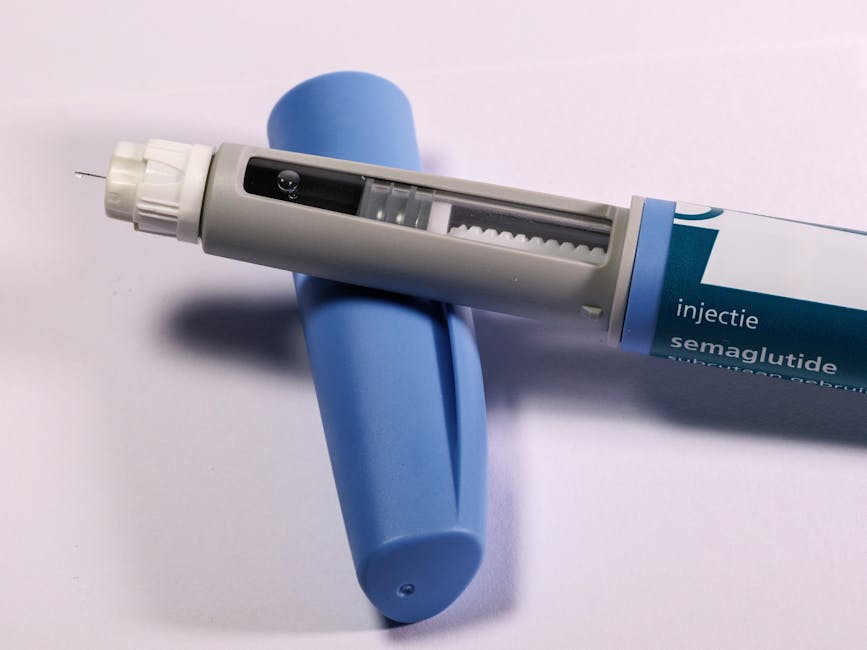
How GLP-1 Drug Price Reductions Will Impact Out-of-Pocket Costs for Patients
GLP-1 drug price reductions could significantly lower what patients pay out of pocket for medications like Ozempic, Wegovy, and Mounjaro. With new policy changes, manufacturer negotiations, and biosimilar competition on the horizon, millions of Americans may soon face a very different cost landscape for these weight loss and diabetes drugs.
Why GLP-1 Drug Prices Are Finally Starting to Move
For years, GLP-1 receptor agonists have carried some of the steepest price tags in the prescription drug market. Monthly list prices for brand-name medications like Wegovy and Ozempic have hovered between $900 and $1,400 without insurance, making them inaccessible for a large portion of the population that could genuinely benefit from them. That pricing reality is beginning to shift, and the reasons are layered.
Medicare Drug Price Negotiation Is Creating Real Pressure
The Inflation Reduction Act gave Medicare the authority to negotiate drug prices directly with manufacturers — a power it never had before. While the first wave of negotiations focused on other high-cost drugs, the framework is now established and expanding. According to the Centers for Medicare & Medicaid Services, negotiated prices for selected drugs can represent substantial discounts off list prices, and GLP-1 medications are increasingly in the conversation as their utilization rates climb. You can review CMS's negotiation program details directly at cms.gov.
For Medicare patients specifically, this matters enormously. Many older Americans managing type 2 diabetes or obesity-related conditions have been either paying full out-of-pocket costs or relying on manufacturer savings cards that don't apply to government insurance. Negotiated pricing changes that dynamic at a structural level.
Biosimilar and Generic Competition Is on the Horizon
Patent expirations and the entrance of biosimilar manufacturers represent perhaps the most powerful long-term force driving GLP-1 costs downward. When biosimilars enter a market, historical data from other drug categories shows price drops ranging from 15% to 80% depending on competition levels. Semaglutide-based medications are already being scrutinized by generic manufacturers watching patent timelines carefully. Compounding pharmacies have already been offering versions of semaglutide at dramatically reduced prices, though the FDA has been navigating that space carefully with evolving guidance.
What Price Reductions Actually Mean for Your Out-of-Pocket Costs
Here's where it gets complicated: a reduction in a drug's list price doesn't automatically translate to lower costs for the patient. The relationship between list price, insurance negotiated rates, formulary placement, deductibles, and copays creates a maze that often leaves patients paying more than they should or expecting savings that never materialize at the pharmacy counter.
The List Price vs. Net Price Problem
Pharmaceutical manufacturers often negotiate rebates with pharmacy benefit managers (PBMs) — the intermediaries that manage drug coverage for insurers. These rebates can be substantial, sometimes representing 40–60% of the list price. But those savings don't always flow to patients. Instead, they're frequently retained by the PBM or used to offset premiums broadly. So when a manufacturer announces a list price cut, it can actually disrupt existing rebate arrangements without guaranteeing that patients see any immediate benefit.
This is why using a dedicated tool like the GLP-1 cost calculator can be more useful than headline price figures — it helps translate general pricing shifts into what you might actually pay based on your specific insurance situation.
Insurance Formulary Placement Still Controls Access
Even if a GLP-1 drug becomes cheaper in absolute terms, if your insurer places it on a high tier or requires prior authorization, your cost-sharing may remain high. Many commercial insurance plans still exclude GLP-1 medications for weight loss purposes entirely, covering them only for type 2 diabetes diagnoses. A drug that drops from $1,200 to $900 per month in list price means very little to a patient whose insurer doesn't cover it at all.
The good news is that policy momentum is building. Several states have already introduced or passed legislation requiring coverage for obesity treatments, and there is ongoing federal-level discussion about expanding Medicare coverage for anti-obesity medications beyond their current limitations.
Specific Patient Populations and How Price Changes Affect Them Differently
Patients on Medicare
Medicare Part D covers GLP-1 drugs when prescribed for diabetes, but coverage for obesity treatment specifically has historically been restricted. The Medicare Drug Price Negotiation program and the proposed changes to expand obesity drug coverage could create a meaningful shift for seniors. Additionally, the $2,000 out-of-pocket cap on Medicare Part D that took effect in 2025 provides a ceiling on annual costs — but only for covered medications. Patients whose GLP-1 is covered under Part D will benefit from this cap. Those using GLP-1s for weight loss without a diabetes diagnosis may still find themselves in uncovered territory.
Patients with Commercial Insurance
Commercially insured patients have seen a patchwork of coverage. Some employer-sponsored plans cover GLP-1s for both diabetes and obesity; many do not. As list prices decline, insurers may be more willing to add these drugs to formularies at lower tier placements because the rebate calculus changes. Price reductions could indirectly improve formulary access, which would lower what patients with insurance actually pay per fill. To model these scenarios for your own plan, the GLP-1 cost calculator allows you to input your specific insurance details for a more accurate estimate.
Uninsured and Underinsured Patients
This group stands to benefit most directly from list price reductions. Patients paying cash prices at the pharmacy have no buffer between the drug's sticker price and their wallet. Manufacturer savings programs like Novo Nordisk's savings card for Wegovy can bring costs down to as low as $0 for eligible commercially insured patients, but uninsured patients typically don't qualify. A genuine drop in list price, particularly driven by biosimilar competition, could open access to this population in a way that savings cards never have.
Timeline: When Can Patients Realistically Expect Lower Costs?
Understanding the likely timeline helps patients plan rather than wait indefinitely for savings that may be years away. Here's a realistic breakdown:
Near-Term (2025–2026)
The most immediate impacts will come from Medicare's negotiated drug prices taking effect for drugs in the current negotiation cycle, as well as continued expansion of state-level coverage mandates. Manufacturer pricing competition between Eli Lilly and Novo Nordisk — the two dominant players — is already creating modest downward pressure as each company jockeys for market share. Patients using manufacturer coupon programs may see improved eligibility terms as companies try to retain customers.
Medium-Term (2027–2029)
This window is when biosimilar semaglutide products are most likely to start entering the U.S. market in meaningful volume, assuming patent challenges and FDA approval timelines proceed without major delays. Historical biosimilar entrance in other drug categories has shown that initial price competition of 20–30% can deepen over time as more manufacturers enter. This phase could represent the most significant out-of-pocket cost reductions for cash-pay patients.
Longer-Term (2030 and beyond)
A mature generic or biosimilar market for GLP-1 medications could eventually look similar to what happened with statins or metformin — drugs that once cost hundreds of dollars per month and now cost as little as $4 at many pharmacy chains. That outcome is not guaranteed, but it represents a plausible scenario given the trajectory of the market.
How to Take Advantage of Price Reductions as They Happen
Waiting passively for price reductions to show up at your pharmacy isn't the best strategy. There are proactive steps that can help you capture savings as they emerge.
First, revisit your insurance formulary every open enrollment period. Formulary placements change annually, and a drug that was excluded or on a high tier last year may have moved based on new pricing negotiations between your insurer and the manufacturer.
Second, ask your prescriber about therapeutic alternatives. If one GLP-1 medication is covered at a better tier than another, and both are clinically appropriate for your situation, the cost difference can be substantial — sometimes hundreds of dollars per month.
Third, use available tools to stay informed about your actual projected costs. The CMS Medicare drug price information is publicly available at cms.gov and is updated as negotiations progress. Pairing that data with a personalized calculation from the GLP-1 cost calculator gives you a more complete picture than any single source alone.
Frequently Asked Questions About GLP-1 Price Reductions
Will Medicare patients automatically pay less if GLP-1 drug prices are negotiated?
Not necessarily automatically. Medicare negotiated prices apply to drugs covered under Part D, and the savings take effect at the pharmacy for patients with Part D coverage. However, if your GLP-1 is not currently covered under your plan — for example, if it's being used for weight loss rather than diabetes — you may not benefit from negotiated pricing until coverage rules change as well.
How will biosimilar GLP-1 drugs differ from brand-name versions?
Biosimilars are not identical copies like small-molecule generics — they are highly similar biological products that have been shown through FDA review to have no clinically meaningful differences in safety or efficacy. For patients, the practical difference is primarily in cost. Biosimilar manufacturers don't bear the same research and development expenses as the original drug developer, which allows them to offer lower prices while still meeting rigorous FDA standards.
If my employer-sponsored insurance doesn't cover GLP-1 drugs for weight loss, could that change?
It's possible, and potentially more likely as prices fall. One of the primary reasons employers have excluded GLP-1 obesity treatments is cost — these drugs represent a significant budget line for self-insured employers. As list prices decrease and net costs to plans fall, the coverage calculus shifts. Some large employers have already added coverage; others are watching market pricing closely before making that decision.
Are compounding pharmacy versions of semaglutide a safe way to save money now?
This is an area requiring caution. Compounded semaglutide products have been available at lower prices, but they are not FDA-approved, do not go through the same review process as brand-name products, and quality can vary between compounding pharmacies. The FDA has issued guidance regarding compounded semaglutide and continues to update its position. Patients considering this option should discuss the risks thoroughly with their prescriber before proceeding.