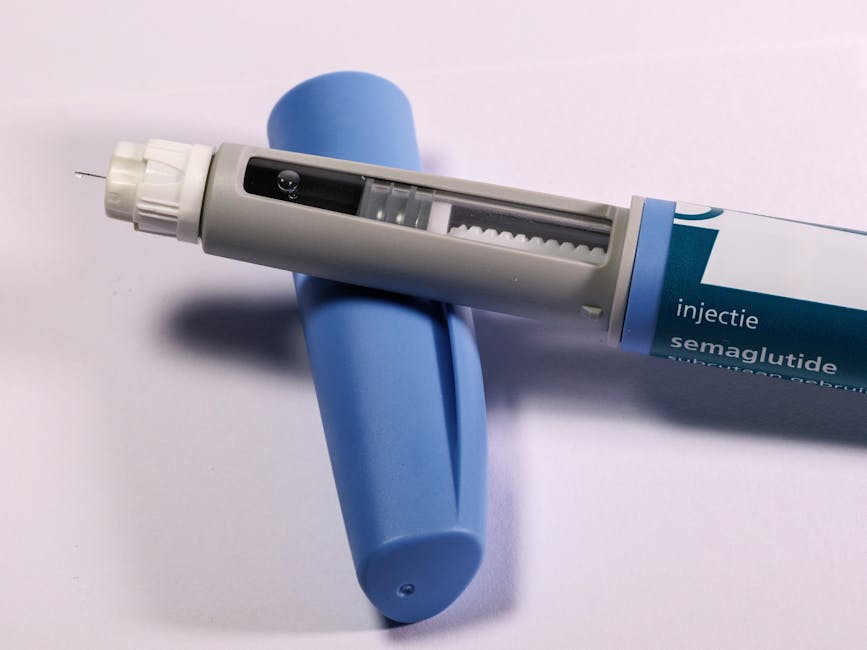
How GLP-1 Drug Policy Changes Impact Medication Costs and Insurance Coverage
GLP-1 drug policy changes are directly reshaping what patients pay out of pocket for medications like Ozempic, Wegovy, and Mounjaro. As health executives navigate an evolving regulatory and reimbursement landscape, coverage decisions made at the federal and insurer level are creating real cost consequences for millions of Americans managing diabetes and obesity.
The Current Policy Landscape for GLP-1 Medications
Health executives across the insurance and pharmaceutical sectors are operating under significant uncertainty right now. Recent reporting confirms that industry leaders are actively adapting strategies in response to shifting federal policy priorities, Medicare negotiations, and employer benefit redesigns. For patients, this translates into a moving target when it comes to predicting what their GLP-1 medication will actually cost.
The policy environment affecting GLP-1 drugs touches several interconnected areas: Medicare Part D coverage rules, Medicaid formulary decisions made at the state level, private insurer prior authorization requirements, and the ongoing ripple effects of the Inflation Reduction Act's drug price negotiation provisions.
Medicare and the GLP-1 Coverage Gap
One of the most significant policy fault lines involves Medicare's longstanding restriction on covering weight-loss medications. Historically, Medicare Part D plans could not cover drugs prescribed solely for obesity treatment. This meant that while a drug like semaglutide (Ozempic) was covered for Type 2 diabetes management, the same compound under the brand name Wegovy — approved specifically for weight management — was largely excluded.
According to the Centers for Medicare & Medicaid Services, this distinction has created coverage inequities that disproportionately affect lower-income older adults. CMS has been signaling potential rule changes that could expand coverage for anti-obesity medications, though the timeline and scope remain subjects of active policy debate in Washington.
Employer Plans Are Filling — and Pulling Back From — the Gap
In the private insurance market, employers have been caught in a difficult position. Many added GLP-1 coverage for weight loss between 2021 and 2023 as a competitive benefit, only to face dramatically higher pharmacy benefit costs. Industry data from the KFF (Kaiser Family Foundation) indicates that GLP-1 drugs now represent the fastest-growing category of specialty pharmacy spend for large employers.
As a result, a notable reversal has begun. Some large employers are restricting GLP-1 coverage to patients with documented comorbidities, requiring participation in behavioral health programs, or implementing step therapy protocols that require patients to try lower-cost alternatives first. These plan-level decisions directly increase out-of-pocket exposure for affected employees.
How Policy Shifts Translate Into Actual Cost Changes
Understanding the policy mechanics is useful, but what patients most urgently want to know is: how does this affect my monthly cost? The answer depends heavily on your specific coverage situation — but several patterns have emerged.
Prior Authorization Expansions
Prior authorization (PA) requirements for GLP-1 drugs have expanded significantly. A 2024 analysis from IQVIA found that prior authorization denials for GLP-1 weight management indications increased by over 30% year-over-year as insurers attempted to manage formulary costs. When a prior authorization is denied or delayed, patients often face paying full list price — which can exceed $1,000 per month for branded GLP-1 injectables — while appeals are processed.
The administrative burden of PA processes also creates indirect costs: missed doses due to delays, time away from work for appeals, and the psychological toll of uncertain access to a medication that may be delivering meaningful health results.
Step Therapy and Formulary Tier Changes
Several major pharmacy benefit managers (PBMs) have moved GLP-1 medications to higher formulary tiers in response to ongoing contract negotiations with manufacturers. A medication moving from Tier 2 to Tier 4 on a standard formulary can mean a cost increase from a $50 copay to a $150-plus coinsurance obligation per fill, depending on plan design.
Step therapy requirements — which mandate that patients try and fail on cheaper alternatives before accessing a prescribed GLP-1 — are particularly disruptive for patients already stabilized on a specific medication. Policy advocates have pushed back on these practices, and some states have enacted step therapy protection laws that limit insurer authority to require therapy changes for patients already responding to treatment.
If you're trying to project your real costs under different coverage scenarios, tools like the GLP-1 cost calculator at glp1costcalculator.com can help you model monthly expenses based on your insurance tier, drug type, and dosage.
The Inflation Reduction Act's Role in GLP-1 Pricing
The Inflation Reduction Act (IRA) introduced Medicare drug price negotiation for the first time in the program's history. While GLP-1 medications are not yet in the first rounds of negotiation, their inclusion in future cycles is widely anticipated by policy analysts.
The IRA also introduced a $2,000 annual out-of-pocket cap for Medicare Part D enrollees beginning in 2025 — a structural change that could meaningfully benefit patients with diabetes who rely on GLP-1 medications year-round. According to CMS Medicare prescription drug coverage guidance, this cap applies to covered Part D drugs, making the coverage status of a specific GLP-1 formulation critically important to whether a patient benefits.
What Negotiated Prices Could Mean for GLP-1 Costs
If GLP-1 medications enter CMS's negotiation framework in the next several years, list prices could decline — but the savings may not flow directly to all patients equally. The negotiated price applies to the Medicare program, not to commercial insurers or uninsured individuals. Patients in employer-sponsored plans or the individual market could continue paying elevated prices while Medicare enrollees see reductions.
This bifurcation is an important planning consideration for patients approaching Medicare eligibility who currently pay high costs for GLP-1 drugs under commercial coverage.
State-Level Policy Variation Creates a Patchwork of Coverage
While federal policy debates dominate headlines, state-level decisions are equally consequential for GLP-1 affordability. State Medicaid programs have wide latitude in determining which medications appear on their preferred drug lists, what prior authorization criteria apply, and whether obesity is treated as a covered indication at all.
As of 2024, fewer than half of state Medicaid programs provide comprehensive GLP-1 coverage for weight management, according to research published in Health Affairs. States that have expanded coverage often tie it to BMI thresholds and documented comorbidities, creating eligibility criteria that can exclude patients who would benefit from earlier intervention.
State Insurance Mandate Efforts
A growing number of state legislatures have introduced bills that would require commercial insurers to cover FDA-approved obesity treatments, including GLP-1 medications. These efforts face significant pushback from insurer trade groups citing cost concerns, but several states have made measurable progress toward mandating coverage parity between metabolic conditions and other chronic diseases.
Patients in states with active mandate legislation may see their coverage situation change within the next 12 to 24 months, making it worth monitoring state-level developments alongside federal policy.
How to Protect Yourself From Policy-Driven Cost Increases
Given the fluidity of the policy environment, patients currently on GLP-1 medications or considering starting them should take proactive steps to understand and manage their cost exposure.
First, verify your formulary status at each open enrollment period. Insurers can and do change GLP-1 formulary positioning annually, and your current cost-sharing structure may not apply to next year's plan. Second, document your clinical justification. In an environment where prior authorizations are increasing, having a clear clinical record connecting your GLP-1 use to a covered diagnosis strengthens your case for approval and appeals.
Third, explore manufacturer assistance programs. Eli Lilly, Novo Nordisk, and other GLP-1 manufacturers maintain patient assistance and savings card programs that can substantially reduce out-of-pocket costs for eligible patients, including those with commercial insurance. These programs often have income thresholds and insurance eligibility requirements that change periodically.
You can run a detailed cost comparison across your coverage options using the GLP-1 cost calculator, which factors in copay assistance, formulary tiers, and deductible status to generate a realistic monthly cost estimate.
Frequently Asked Questions About GLP-1 Policy and Costs
Will Medicare ever cover GLP-1 drugs for weight loss?
This is an active policy question without a definitive answer. CMS has expressed interest in expanding coverage for anti-obesity medications, and legislative proposals have been introduced in Congress to remove the existing prohibition. However, concerns about overall Medicare budget impact have slowed progress. Patients should monitor CMS announcements and consult their coverage documents annually, as changes to Part D rules could take effect with relatively short notice periods.
Can my insurer stop covering my GLP-1 medication mid-year?
Generally, insurers cannot remove a drug from formulary coverage mid-year for existing users without providing transition supply and notice. However, they can change cost-sharing tiers, add utilization management tools like step therapy, or apply new prior authorization requirements at plan renewal. This is why reviewing your plan documents at open enrollment — not just when you first enroll — is essential for patients on ongoing GLP-1 therapy.
How do I appeal a prior authorization denial for a GLP-1 drug?
The appeals process starts with a formal internal appeal to your insurer, supported by documentation from your prescribing provider explaining the medical necessity of the specific medication. If your internal appeal is denied, you have the right to an independent external review under federal law. Your state insurance commissioner's office can provide guidance on the external review process, and patient advocacy organizations focused on diabetes and obesity can offer support navigating complex denials.