GLP-1 Pills vs Injections: Cost Comparison and Efficacy Analysis for Budget-Conscious Patients
GLP-1 medications now come in both pill and injectable forms, giving patients real choices about how they manage weight loss and blood sugar. But the decision isn't just clinical — costs vary dramatically between formats. This guide breaks down what the research shows about efficacy differences and what each option actually costs out of pocket.
The Core Difference: How Pills and Injections Deliver GLP-1 Medication
GLP-1 receptor agonists work by mimicking a hormone your gut naturally releases after eating. That hormone signals fullness, slows digestion, and helps regulate insulin. The delivery method — pill or injection — affects how much of the drug actually reaches your bloodstream, which in turn affects dosing requirements, cost structures, and ultimately, results.
Injectable GLP-1s: The Current Benchmark
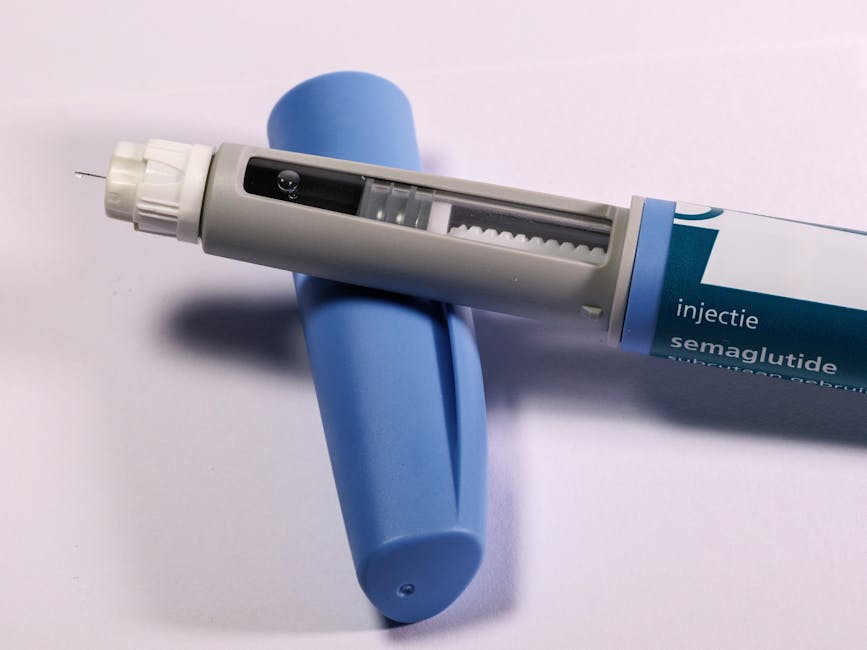
Drugs like semaglutide (Ozempic, Wegovy) and tirzepatide (Mounjaro, Zepbound) are administered via subcutaneous injection, typically weekly. Because injections bypass the digestive system, the bioavailability is substantially higher — meaning a smaller dose achieves a therapeutic effect. Clinical trials for injectable semaglutide showed participants losing an average of 14.9% of their body weight over 68 weeks in the STEP 1 trial. Tirzepatide performed even more impressively, with the SURMOUNT-1 trial showing up to 22.5% body weight reduction at the highest dose.
Oral GLP-1s: The New Contender
Rybelsus, the oral form of semaglutide approved for type 2 diabetes, was the first pill in this class. More recently, oral semaglutide formulations for weight loss have been moving through clinical development, with newer data showing meaningful efficacy gains when dosing is optimized. Early oral semaglutide trials showed roughly 15% body weight loss in some study arms — narrowing the gap with injections considerably compared to older oral formulations. Orforglipron, a non-peptide oral GLP-1 agonist currently in late-stage trials, has also shown promising weight loss results in the 10–15% range.
Efficacy: What the Studies Actually Show
The honest answer is that injections still hold a modest edge in head-to-head weight loss outcomes, but that gap is shrinking with newer oral formulations. Here's what the clinical data tells us:
Weight Loss Outcomes Side by Side
Injectable semaglutide at 2.4mg weekly consistently produces 12–15% average body weight loss in large randomized controlled trials. High-dose tirzepatide injections have pushed that ceiling toward 20%+ in trial settings. Oral semaglutide at higher experimental doses (50mg) demonstrated approximately 15% weight loss in the OASIS 1 trial — which is a meaningful milestone because it essentially matches the performance of injectable semaglutide 2.4mg. That said, these high oral doses are not yet widely commercially available for weight management in the U.S., and individual responses vary considerably.
Side Effect Profiles: Are Pills Easier to Tolerate?
Both formats share a similar side effect profile dominated by gastrointestinal symptoms — nausea, vomiting, diarrhea, and constipation. However, some patients find that oral dosing produces more pronounced GI discomfort, particularly during the titration phase. Oral semaglutide requires specific administration instructions (taken on an empty stomach with no more than 4 ounces of water, 30 minutes before eating) that injections don't demand. On the other hand, patients with needle anxiety or injection-site reactions may genuinely tolerate the pill format better psychologically, leading to better adherence over time. Adherence is a huge predictor of real-world weight loss outcomes — a drug that's 22% effective in a trial doesn't help much if a patient stops taking it after three months.
GLP-1 Cost Breakdown: Pills vs Injections in 2024–2025
This is where budget-conscious patients need to pay close attention. The sticker price difference between formats is substantial, and insurance coverage adds another layer of complexity.
Retail and List Prices Without Insurance
Without insurance, injectable semaglutide (Wegovy) carries a list price around $1,349 per month, while Ozempic runs approximately $935–$1,000 per month depending on the pharmacy. Tirzepatide as Zepbound lists at approximately $1,059 per month. Rybelsus, the currently available oral semaglutide, has a list price in the range of $900–$1,000 per month — surprisingly close to injectables, which surprises many patients who assume pills are automatically cheaper.
Compounded semaglutide from 503B outsourcing facilities has offered a significant cost break during drug shortage periods, sometimes running $200–$500 monthly, though the FDA's shortage designations have shifted the landscape for this option. Use our GLP-1 cost calculator to compare current out-of-pocket estimates across different drug formats and pharmacy sources.
Insurance Coverage Differences
This is where the pill vs. injection distinction becomes critically important financially. Rybelsus (oral semaglutide) is FDA-approved for type 2 diabetes, not obesity — meaning insurance plans that cover diabetes medications may cover it while refusing to cover Wegovy. According to CMS data, Medicare Part D plans have historically excluded weight loss drugs, though CMS.gov has outlined evolving policy discussions around obesity medication coverage under Medicare and Medicaid. Commercial insurers vary widely — employer plans that exclude weight loss injections may still cover oral semaglutide when prescribed for diabetes management, making it a potential access pathway for some patients.
Manufacturer Savings Programs
Novo Nordisk's savings card for Wegovy can bring costs as low as $0/month for eligible commercially insured patients, with an out-of-pocket cap around $99/month for others. Rybelsus savings programs have similarly reduced costs for eligible patients. Eli Lilly offers savings programs for Zepbound that can bring monthly costs under $550 for commercially insured patients. These programs generally exclude Medicare and Medicaid beneficiaries, which represents a significant equity gap in access.
Real Cost Per Pound Lost: A Different Way to Think About Value
Cost-per-result is a useful framework for comparing formats. If injectable tirzepatide costs $1,059/month and produces 20% weight loss over 72 weeks versus oral semaglutide at $950/month producing 15% weight loss, the "cost per percentage point of weight lost" calculation actually favors the injectable option despite the higher price tag. For a 220-pound patient:
- 20% loss on tirzepatide = 44 pounds over ~18 months, total cost ~$19,000 list price
- 15% loss on oral semaglutide = 33 pounds over ~18 months, total cost ~$17,100 list price
The oral option costs less in absolute terms but also delivers less weight loss. Whether that tradeoff is worth it is deeply personal and depends on your health goals, insurance situation, and tolerance for the injection process. Run a personalized projection using the GLP-1 cost calculator tool to model your specific scenario.
Who Might Be Better Suited to Pills vs Injections?
Neither format is universally superior — the right choice depends on individual circumstances that go beyond the clinical trial averages.
Consider Oral GLP-1s If:
- You have diagnosed type 2 diabetes and your insurer covers Rybelsus but not Wegovy
- You have significant needle anxiety that would compromise adherence
- You need to manage the medication discreetly in workplace or travel settings
- Your weight loss target is more modest (under 15%) and oral formulations would likely achieve your goals
Consider Injectable GLP-1s If:
- You're aiming for significant weight reduction (15%+) and want the strongest clinical evidence behind your treatment
- Your insurance covers injectables with manageable copays
- You prefer a once-weekly dose you don't need to time around meals
- You've already tried oral formulations without adequate response
Frequently Asked Questions
Are GLP-1 pills cheaper than injections in 2025?
Not necessarily — and this surprises most patients. Rybelsus, the most widely available oral GLP-1, lists at roughly $900–$1,000 per month, which is comparable to injectable Ozempic. The cost difference depends much more on your specific insurance coverage, any savings program eligibility, and which drugs your pharmacy benefit covers than on the pill vs. injection format itself. In some insurance scenarios, oral formulations are actually more accessible because they're approved for diabetes rather than obesity.
Do GLP-1 pills work as well as injections for weight loss?
Clinical trials show injections still hold a moderate efficacy advantage in most head-to-head comparisons, though newer high-dose oral formulations are narrowing that gap significantly. The OASIS 1 trial showed oral semaglutide at 50mg producing approximately 15% body weight loss — matching injectable semaglutide 2.4mg performance. However, these high-dose oral options aren't yet broadly available for obesity treatment in the U.S. For currently available medications, injectables tend to deliver modestly greater average weight loss.
Can I switch from injections to pills to save money?
This is a conversation to have with your prescribing clinician, but it's not uncommon. Patients who've achieved initial weight loss goals on injectables sometimes transition to oral formulations for maintenance phases — particularly when insurance coverage changes. The key considerations are whether your insurance will cover the oral alternative, whether the dosing format fits your lifestyle, and whether your clinical response is likely to be maintained at oral bioavailability levels. Any medication change should be managed with clinical oversight, not purely on financial grounds.